


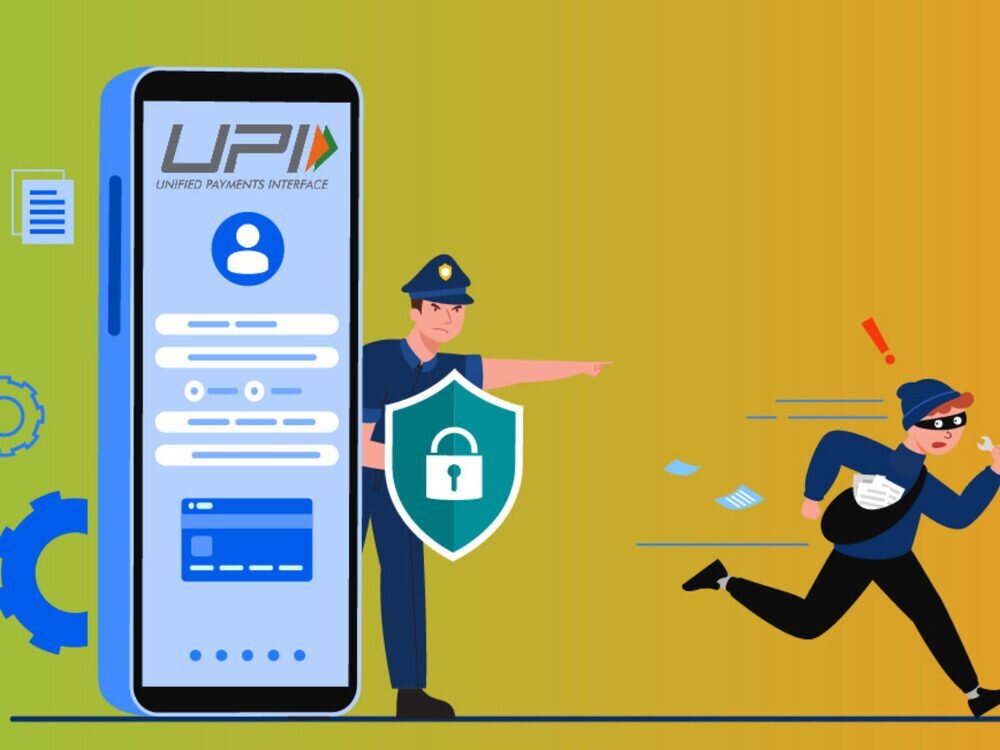
In the modern era of digital India, Unified Payments Interface (UPI) has revolutionized the way we handle money. From buying groceries to paying high-value bills, UPI is everywhere. However, with this convenience comes a significant risk. Cybercriminals are constantly finding new ways to drain bank accounts through UPI scams.
At Crime Patrol, our goal is to keep you informed. This guide will explain how these frauds happen and what steps you can take to keep your hard-earned money safe.




1. Understanding Common UPI Scam Tactics
Before you can protect yourself, you must understand how hackers operate. Most UPI frauds are not “hacks” into the system but rather “social engineering” tricks to fool the user.
A. The “Request Money” Scam
This is the most common scam. A fraudster will send you a “Collect Request” on apps like PhonePe, Google Pay, or Paytm. They often pose as a buyer on OLX or a representative of a famous brand, claiming they are sending you money.The Trap: They tell you to “Click and enter your PIN” to receive the payment.The Truth: You never need to enter your UPI PIN to receive money. PIN is only for sending money.
B. Screen Sharing Apps
Scammers often pose as bank customer care executives. They ask you to download apps like AnyDesk or TeamViewer to “help” you solve a technical issue.The Trap: Once you share your screen, they can see your OTPs and bank details in real-time.
C. Fake QR Codes
You might receive a QR code via WhatsApp or email with a message saying “Scan to win a prize” or “Scan to receive payment.” The Trap: Scanning the code and entering your PIN authorizes a debit from your account instead of a credit.
2. Golden Rules for UPI Safety
To ensure your bank account remains secure, follow these essential safety protocols:
Never Share Your UPI PIN: Your PIN is like your ATM password. No bank official, government employee, or customer care agent will ever ask for it.
Verify the Payee Name: Before hitting ‘Pay’ or entering your PIN, always look at the name that appears on the UPI app. If it doesn’t match the person you are dealing with, stop immediately.
The “PIN = Debit” Rule: Memorize this—if an app is asking for a PIN, money is going out of your account. There is no exception to this rule.
Limit Screen Sharing: Never download screen-sharing apps on the advice of a stranger. If a “customer care” person asks for this, they are 100% a fraudster.
Use Biometric Locks: Enable fingerprint or face lock on your UPI apps so that even if your phone is stolen, your money is safe.
3. What to do if You Become a Victim?
If you have accidentally shared your PIN or clicked on a suspicious link, every second counts. Follow these steps:
Block Your UPI/Account: Immediately call your bank or use your mobile banking app to disable UPI services.
Report to 1930: This is the National Cyber Crime Helpline number in India. You can also report the fraud online at www.cybercrime.gov.in.
File a Police Complaint: Visit your local police station and file a formal complaint.
Notify the UPI App: Report the transaction within the app (Google Pay/PhonePe/Paytm) to help them flag the fraudster’s account.
4. Conclusion: Stay Alert, Stay Safe
The digital world is fast, but it requires us to be cautious. Most UPI frauds happen because of a lack of awareness. By following the tips mentioned above and sharing this knowledge with your friends and family, you can build a shield against cybercriminals.
At Crime Patrol, we urge our readers to double-check every transaction. Remember, a moment of caution can save your lifetime’s savings.










Discussion about this post